Blog
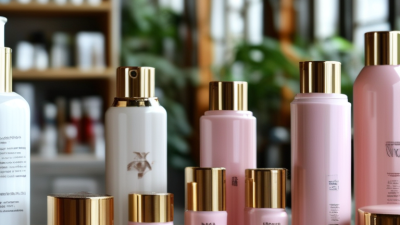
China Top 10 Contract Cosmetics Factories?
China’s contract cosmetics sector is expanding with remarkable speed, but factory selection requires more than attractive product catalogs. Grand View Research valued the global cosmetics market at approximately US$393.75 billion in 2024. McKinsey expects beauty revenues to approach US$590 billion by 2028. These figures explain the rising demand for a dependable contract cosmetics factory, especially for skincare, makeup, haircare, and personal-care launches.
China offers mature supply chains, flexible minimum order quantities, and strong formulation capabilities. Still, capacity alone proves little. A serious comparison should examine ISO 22716 practices, ingredient traceability, stability testing, packaging control, batch records, and NMPA-related support. Euromonitor’s beauty analysis also highlights premiumization, science-led skincare, and rapid product innovation. Factories must therefore deliver consistency, not only speed.
As Michele Gough, a contract manufacturing industry specialist, has said, “The most successful brands understand that contract manufacturing is a partnership, not a transaction.” That principle guides this China Top 10 Contract Cosmetics Factories? overview. Each candidate deserves scrutiny through factory audits, sample testing, certification checks, and transparent communication. A polished website can hide weak documentation. It happens.
The ranking is not absolute. A factory suitable for a 1,000-unit pilot may struggle with a global launch. Another may excel in emulsions but lack strong color-cosmetics expertise. Readers should treat these manufacturers as starting points, then verify current capabilities, export experience, quality systems, and commercial terms before signing. Industry reports provide direction. On-site evidence decides trust.
Read more »
 By:Clara
- September 11, 2026
By:Clara
- September 11, 2026
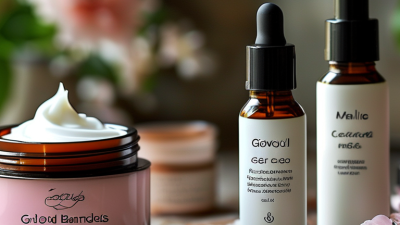
Top 10 Private Label Cosmetics Manufacturers Worldwide
Choosing a private label cosmetics manufacturing partner can shape a brand’s reputation before its first product reaches a customer. The right manufacturer does more than fill jars. It helps translate a concept into a stable, safe, and market-ready formula.
As cosmetic chemist Perry Romanowski has said, “Formulating cosmetics is both an art and a science.” That idea matters when comparing global suppliers. A visually attractive cream may still separate under heat. A strong serum may require careful preservative testing. Small details often decide whether a launch feels reliable or rushed.
This guide examines ten private label cosmetics manufacturers worldwide. It considers formulation capabilities, production standards, minimum order quantities, packaging support, product testing, and communication quality. It also looks at experience with skincare, haircare, makeup, and emerging beauty categories.
Not every manufacturer suits every brand. Some welcome small startups, while others focus on high-volume retail programs. Some offer ready-made bases. Others build custom formulas from the laboratory stage. The lowest quote may not be the lowest total cost.
There is room for doubt. Supplier websites can sound impressive, yet factory capacity and documentation need verification. Buyers should request samples, review certificates, confirm testing procedures, and clarify ownership of formulas. Claims should never replace evidence.
A good partnership feels practical. Emails receive clear answers. Samples arrive consistently. Packaging matches the product’s texture and use. These manufacturers are compared through that real-world lens, not reputation alone. The goal is a useful starting point for brands seeking quality, compliance, and dependable growth in a competitive cosmetics market.
Read more »
 By:Amelia
- September 11, 2026
By:Amelia
- September 11, 2026
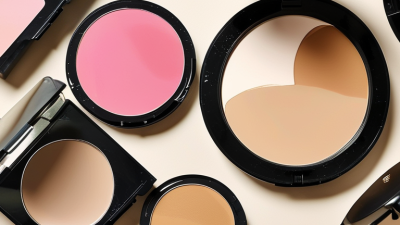
China Top 10 OEM Face Makeup Formulation Suppliers?
China’s color cosmetics industry is moving from basic contract production toward research-led, flexible development. McKinsey’s The Beauty Market in 2023 report expects global beauty sales to approach $580 billion by 2027, with continued growth across makeup, skincare, and hybrid products. Grand View Research also identifies expanding demand for long-wear, clean-label, and multifunctional color cosmetics. These trends increase pressure on brands seeking reliable OEM face makeup formulation partners in China.
This guide examines ten leading suppliers through practical purchasing criteria. These include formulation capability, pigment stability, shade matching, minimum order quantities, packaging support, testing, and export experience. A strong supplier should provide samples with consistent texture, coverage, adhesion, and wear. Think of a foundation tested under studio lights, humid conditions, and several hours of movement.
Regulatory knowledge matters. Suppliers should understand China’s NMPA requirements, applicable international cosmetic rules, ingredient documentation, and ISO 22716 Good Manufacturing Practices. Certifications alone do not prove formulation quality. Factory audits, batch records, stability data, and transparent communication offer stronger evidence. The selected companies are assessed using public information, technical positioning, manufacturing experience, and brand-service capabilities.
No ranking is perfect. A supplier specializing in cushion foundations may not suit a premium mascara launch. Some manufacturers disclose limited technical data, so buyers should verify claims directly. This review therefore treats “top” as capability-based rather than absolute. It aims to help emerging and established beauty brands compare China’s OEM face makeup formulation suppliers more carefully, before committing to samples, tooling, or commercial production.
Read more »
By:Clara
- September 11, 2026