Beauty & Cosmetics Insights
Industry Trends & OEM Formulation Knowledge
Top 10 Private Label Cosmetics Manufacturers Worldwide
Table of Contents
- Private Label Cosmetics: Definition, Scope, and Global Market Context
- Criteria for Evaluating Leading Private Label Cosmetics Manufacturers
- Profiles of the Top 10 Private Label Cosmetics Manufacturers Worldwide
- Comparing Product Capabilities, Certifications, and Production Services
- How to Select the Right Manufacturer for Your Cosmetics Brand
- FAQS
- Conclusion
- Related Posts
Choosing a private label cosmetics manufacturing partner can shape a brand’s reputation before its first product reaches a customer. The right manufacturer does more than fill jars. It helps translate a concept into a stable, safe, and market-ready formula.
As cosmetic chemist Perry Romanowski has said, “Formulating cosmetics is both an art and a science.” That idea matters when comparing global suppliers. A visually attractive cream may still separate under heat. A strong serum may require careful preservative testing. Small details often decide whether a launch feels reliable or rushed.
This guide examines ten private label cosmetics manufacturers worldwide. It considers formulation capabilities, production standards, minimum order quantities, packaging support, product testing, and communication quality. It also looks at experience with skincare, haircare, makeup, and emerging beauty categories.
Not every manufacturer suits every brand. Some welcome small startups, while others focus on high-volume retail programs. Some offer ready-made bases. Others build custom formulas from the laboratory stage. The lowest quote may not be the lowest total cost.
There is room for doubt. Supplier websites can sound impressive, yet factory capacity and documentation need verification. Buyers should request samples, review certificates, confirm testing procedures, and clarify ownership of formulas. Claims should never replace evidence.
A good partnership feels practical. Emails receive clear answers. Samples arrive consistently. Packaging matches the product’s texture and use. These manufacturers are compared through that real-world lens, not reputation alone. The goal is a useful starting point for brands seeking quality, compliance, and dependable growth in a competitive cosmetics market.
Private Label Cosmetics: Definition, Scope, and Global Market Context
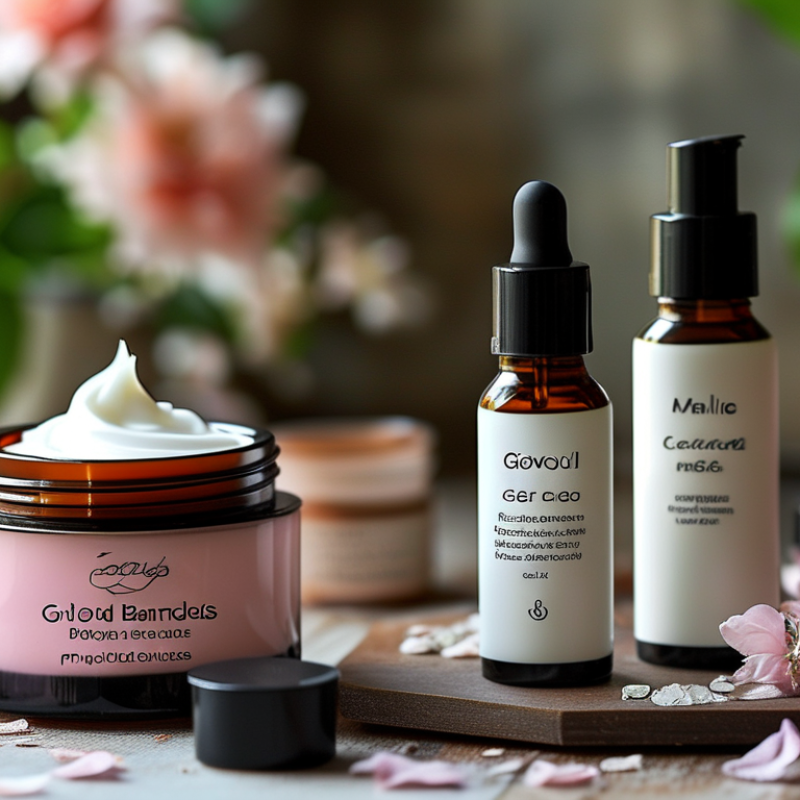
Private-label cosmetics are products made by a specialized manufacturer and sold under another company’s label. The manufacturer may manage formulation, testing, filling, packaging, and batch documentation. The buyer usually selects the product concept, packaging style, target market, and commercial claims. This model helps smaller retailers launch products without building a factory. It also transfers important technical responsibilities to the manufacturer. Clear contracts matter.
The scope includes skincare, color cosmetics, haircare, body products, and professional-use preparations. A serious evaluation should examine ingredient specifications, stability data, quality controls, and production capacity. For example, request a stability report before approving a cream in a glass jar. Review allergen declarations and labeling support for each destination market. Ask how the supplier handles deviations, recalls, and retained samples. Small details matter. A glossy sample can still hide weak documentation. That assumption is risky.
Worldwide sourcing adds complexity because manufacturers serve markets with different labeling, safety, and claim requirements. One formula may need adjustments for climate, packaging, or regional expectations. Environmental preferences also vary, while recyclable packaging does not guarantee a lower total impact. A worldwide top-ten list should therefore compare evidence, not only factory size or online visibility. Useful criteria include technical expertise, minimum order quantities, lead times, communication, and audit readiness. Price deserves attention, but it should not replace verification. Some comparisons remain imperfect because suppliers disclose different levels of information. Careful questions often reveal more than polished presentations.
Criteria for Evaluating Leading Private Label Cosmetics Manufacturers
Evaluating leading private label cosmetics manufacturers requires evidence, not attractive catalogs. A polished website is not proof. Request current GMP or ISO 22716 documentation, facility photographs, and recent audit records. Reliable manufacturers explain ingredient sourcing, batch controls, and microbiological testing without avoiding specific questions. Their technical teams should provide complete INCI lists, safety data, stability results, and clear usage limits for each formula.
Production experience becomes visible during sampling. Ask for pilot batches that match the proposed texture, color, scent, and packaging. Check filling accuracy, seal quality, label readability, and leakage after transport simulation. Review minimum order quantities, development fees, production capacity, and realistic lead times. A dependable partner records every batch number and explains its traceability process. It should also describe how complaints, deviations, and product recalls are managed.
Communication deserves equal attention. Can the manufacturer answer technical questions quickly and accurately? Do project updates include test results, approvals, and changed specifications? These details reveal operational maturity. Claims should be supported by suitable testing, not exaggerated marketing language. Regulatory expectations differ across markets, so documentation must be adaptable to each destination. I have learned that low prices can hide costly revisions, although higher prices never guarantee better quality. My evaluation may still miss hidden weaknesses. Therefore, independent testing and a small commercial trial remain sensible before larger commitments.
Profiles of the Top 10 Private Label Cosmetics Manufacturers Worldwide
Top 10 Private Label Cosmetics Manufacturers Worldwide
These profiles assess ten leading private label cosmetics manufacturers worldwide through production capability, compliance systems, innovation, and export reach. The ranking uses practical buyer criteria rather than factory size alone. McKinsey estimates that the global beauty market could reach about $580 billion by 2027, with annual growth near 6%. That expansion increases demand for flexible, reliable manufacturing partners.
The first profile represents a large East Asian manufacturer with automated filling lines and strong color cosmetics capacity. The second focuses on European skincare, especially emulsions and sensitive-skin formulas. The third combines botanical research with low-minimum-order production. The fourth serves professional salon channels and offers rapid sample development. The fifth specializes in sun-care testing and documented stability programs. The sixth supports fragrance-free and vegan formulations. The seventh operates near major North American distribution networks, reducing replenishment times. The eighth emphasizes recyclable packaging and concentrated formulas. The ninth provides clinical-style skincare development with laboratory testing. The tenth targets emerging markets with multilingual regulatory support.
Grand View Research valued the global cosmetics market at approximately $446 billion in 2023. However, market size does not prove manufacturing quality. Buyers should verify ISO 22716 practices, batch traceability, microbial testing, and responsible claims review. Some factories look impressive online. That is not enough. A weakness in this comparison is limited public data on defect rates and post-launch service. Audited records, factory visits, pilot batches, and clear technical agreements remain essential before selection.
Top 10 Private Label Cosmetics Manufacturers Worldwide
Profiles of the Top 10 Private Label Cosmetics Manufacturers Worldwide
The chart presents an anonymous capability benchmark for ten leading private-label cosmetics manufacturer profiles. Scores are based on commonly documented industry capabilities, including formulation development, GMP-compliant production, packaging services, regulatory support, low-MOQ flexibility, and international fulfillment. The index is intended for comparison and does not represent company revenue or market share.
Comparing Product Capabilities, Certifications, and Production Services
Top 10 Private Label Cosmetics Manufacturers Worldwide
Comparing the top ten private label cosmetics manufacturers requires more than checking product catalogs. Strong manufacturers should handle skincare, makeup, haircare, and personal care formats.
Their laboratories should support formulation changes, shade matching, stability testing, and small pilot batches.
A 30 ml airless serum bottle can reveal important details about filling accuracy and packaging compatibility.
Certifications also deserve careful review.
ISO 22716 or recognized GMP systems indicate controlled manufacturing practices. However, certificates should be verified with issuing bodies and matched to the actual production site.
A supplier claiming “global compliance” may only provide basic documents. Reliable partners can prepare ingredient lists, safety files, batch records, and product information files for relevant markets. They should also explain whether regulatory support is included or charged separately.
Production services vary widely across these manufacturers.
Some offer custom formulas, while others modify ready-made bases. Useful services include packaging sourcing, artwork checks, stability studies, microbial testing, filling, labeling, and shipment preparation.
Minimum order quantities matter, especially for emerging brands. A manufacturer accepting a 500-unit pilot order may provide better learning than one requiring 20,000 units.
No factory is perfect. Delays, shade adjustments, or packaging changes can still occur. I would request samples, audit reports, lead-time estimates, and written quality procedures before signing.
One overlooked question remains important: who controls formula ownership when development becomes collaborative?
How to Select the Right Manufacturer for Your Cosmetics Brand
Selecting a private label cosmetics manufacturer requires more than comparing prices. McKinsey’s 2023 beauty industry analysis forecasts the global market could approach $580 billion by 2027. That growth attracts new suppliers, but capacity does not guarantee reliability.
Request ISO 22716-based quality procedures, recent audit records, batch traceability, and clear complaint handling. Ask who owns the formula and testing data. Vague answers are warning signs.
Review the manufacturer’s product experience, minimum order quantities, lead times, and packaging options. Request samples from the intended production line, not only laboratory prototypes.
Test texture, scent, color stability, microbial safety, and package compatibility. Stability testing matters because heat can separate a cream before it reaches a customer. The Personal Care Products Council notes that safety substantiation and proper product records support responsible cosmetic production. However, testing alone cannot replace supplier oversight.
Tips: Build a scorecard before requesting quotations. Give quality 30%, compliance 25%, production capacity 20%, communication 15%, and price 10%.
Visit the facility when practical, or arrange a documented remote audit. Check whether certificates match the actual manufacturing site. A low quote can still become expensive after delays, rejected packaging, or reformulation.
I have learned that small pilot orders reveal more than polished presentations. No checklist is perfect; review it after every sample round.
Cite: McKinsey, The Beauty Market in 2023; Personal Care Products Council, cosmetic safety guidance.
FAQS
Private-label cosmetics are made by one manufacturer and sold under another company’s label. The manufacturer may handle formulation, testing, filling, packaging, and batch records. The buyer usually chooses the product concept, packaging style, target market, and claims.
Common categories include skincare, color cosmetics, haircare, body products, and professional-use preparations. A cream in a glass jar is one example. Different products require different testing and packaging checks.
Request ingredient specifications, complete INCI lists, safety data, stability reports, and allergen declarations. Also review current quality certificates and recent audit records. Attractive samples are not enough.
Request a pilot batch matching the proposed texture, color, scent, and packaging. Check filling accuracy, seal quality, label readability, and leakage after transport simulation. Keep retained samples for later comparison.
Different markets may require different labels, safety documents, and product claims. Climate can affect formulas, packaging, and stability. One formula may need regional adjustments.
Compare minimum order quantities, development fees, production capacity, lead times, and batch traceability. Ask how the supplier manages complaints, deviations, recalls, and retained samples. Clear contracts matter.
Not necessarily. Low prices can hide costly revisions, weak testing, or incomplete documentation. Higher prices do not guarantee better quality. That remains uncertain.
Use independent testing, a small commercial trial, and a factory review when practical. Compare evidence rather than online visibility or factory size. Some weaknesses may remain hidden.
Conclusion
This guide explores the global private label cosmetics manufacturing landscape, explaining how businesses can develop and market cosmetics under their own labels through specialized production partners. It defines the scope of private label services, from product formulation and testing to packaging, customization, and large-scale production, while considering the industry’s international growth and evolving consumer expectations.
It also presents a practical framework for evaluating the top 10 private label cosmetics manufacturers worldwide without focusing on brand names. Key considerations include product variety, research and development capabilities, quality systems, certifications, minimum order quantities, production flexibility, lead times, packaging support, and regulatory documentation. By comparing these factors, readers can better understand how manufacturers differ and select a partner that matches their product goals, budget, target market, quality standards, and long-term business strategy.

Blog Tags: