Beauty & Cosmetics Insights

Industry Trends & OEM Formulation Knowledge

0%

Choosing a cosmetics contract manufacturer in 2026 will require more than comparing price lists and glossy facility photographs. Brands must examine technical capability, ingredient traceability, quality systems, and communication habits before signing a development agreement. The wrong partner can create expensive delays, unstable formulas, or packaging that fails during transport.

Cosmetic chemist and industry educator Perry Romanowski describes cosmetics as “the art and science of making people look and feel better.” That balance matters when evaluating cosmetics contract manufacturing partners. A manufacturer should show practical experience with your product category, not merely promise broad expertise. Ask for stability-testing procedures, batch records, microbial controls, and examples of successful scale-up. Visit the production floor if possible. Look at storage temperatures, filling equipment, cleaning routines, and employee training.

Small details reveal capability. Can the team explain why a serum separates after six weeks? Can it adjust viscosity without changing skin feel? Will it disclose the source and documentation of key ingredients? In 2026, credible manufacturers should also support recyclable packaging decisions, transparent supply chains, and internationally appropriate compliance reviews. Certifications help, but they do not replace careful questions or independent verification.

Your first choice may still be imperfect. No factory understands your customers as deeply as you do. That gap deserves honest discussion. Compare minimum order quantities, lead times, formula ownership, testing costs, and change-control procedures in writing. Speak with recent clients, not only selected references. A reliable partner will welcome scrutiny, explain limitations, and document what happens when a batch misses specifications. That evidence will matter more than persuasive sales language.
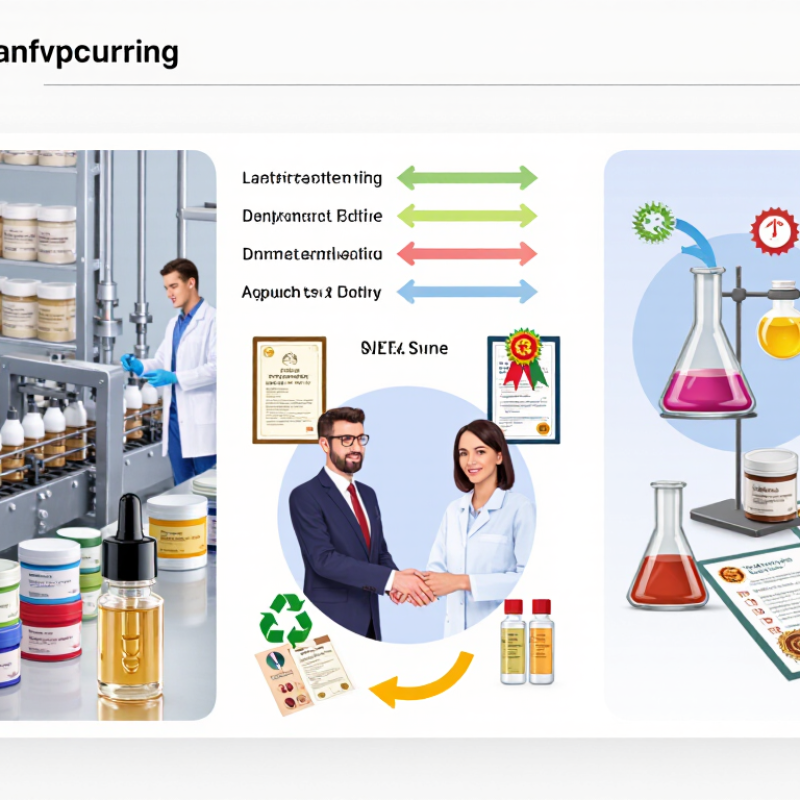
How to Choose a Cosmetics Contract Manufacturer in 2026

Define Product Requirements and Manufacturing Scope

Before comparing cosmetics contract manufacturers in 2026, define your product requirements precisely. Record the product format, target skin feel, shade range, fill volume, packaging material, and expected annual volume. A facial serum may need airless packaging, while a body scrub may require a wider jar opening. Small details affect equipment, filling speed, stability testing, and total cost.

Tips: Prepare a one-page product brief. Include acceptable texture, fragrance limits, color tolerance, shelf-life expectations, and target cost. Ask manufacturers which requirements they can verify with test reports. Avoid vague terms like “premium” or “natural.” They create confusion.

Define the manufacturing scope before requesting quotations. Decide whether you need formulation development, ingredient sourcing, pilot batches, production, filling, labeling, microbial testing, and logistics support. A manufacturer may offer full service, but the boundaries can remain unclear. Confirm who approves raw materials, owns the formula, manages artwork, and investigates batch deviations. Request sample specifications, quality procedures, and production records where appropriate. These documents reveal more than polished presentations.

Experienced teams also test communication early. Send a realistic brief and evaluate the response. Does the manufacturer identify risks, ask technical questions, and explain limitations? That matters. A perfect first brief is unlikely; your assumptions may need revision after compatibility or stability testing. Set measurable acceptance criteria, such as viscosity range, color difference, fill weight, and microbial limits. Confirm the applicable regional requirements before production, especially for claims, labeling, and safety documentation.

Assess Formulation, Production, and Testing Capabilities

How to Choose a Cosmetics Contract Manufacturer in 2026

Assess Formulation, Production, and Testing Capabilities

Choosing a cosmetics contract manufacturer in 2026 starts with more than a polished sample. Ask who develops formulas, how ingredient changes are reviewed, and whether the team can explain stability risks in plain language. A cream that feels smooth on day one may separate after heat exposure or months on a shelf. Request development records, sample iterations, and clear ownership of specifications. Details matter.

Evaluate the production floor, not just its equipment list. Confirm batch sizes, mixing controls, filling tolerances, cleaning procedures, and how deviations are documented. If your product uses a sensitive fragrance or active ingredient, ask how addition timing and temperature are controlled. Walk through a typical batch record if possible. A small pilot run can reveal issues that a sales presentation will not. It may also expose limits in your own brief.

Testing capability deserves the same scrutiny. Ask which checks are performed in-house and which go to qualified external laboratories. Review protocols for stability, packaging compatibility, microbiological quality, and finished-product release. Request representative reports, acceptance criteria, and explanations of any failed or repeated test. Ask for proof. Documented results are stronger than confidence alone. No single test settles every question; some risks only become visible over time. Leave room for that uncertainty when setting launch dates and approving claims.

Verify Regulatory Compliance and Quality Systems

Choosing a cosmetics contract manufacturer in 2026 requires more than comparing quotations. Regulatory compliance should be visible in daily work, not only in a polished presentation. Ask for current GMP documentation, including ISO 22716 alignment, training records, and controlled procedures. Confirm which markets the facility serves and whether its products meet each market’s applicable requirements. A certificate alone is not proof. Look beyond the certificate.

During an audit, inspect material quarantine areas, temperature logs, calibrated equipment, and line-clearance records. Trace one finished batch backward. The manufacturer should connect raw-material lots, operators, in-process checks, packaging components, and release approval. Review laboratory methods, stability data, microbial controls, and certificates of analysis for representative products. Ask how deviations, complaints, recalls, and adverse events are documented and investigated. Good quality systems show patterns, not just isolated paperwork.

Change control deserves careful attention. A fragrance adjustment, supplier substitution, or label revision can affect safety, claims, and compliance. Require written approval before changes reach production. Check whether specifications are scientifically justified and whether marketing claims have supporting evidence. Be cautious when answers sound perfect. In real operations, minor errors happen; the important question is whether they are detected, corrected, and prevented. Request recent audit findings, corrective-action records, and realistic production samples. An open discussion of one weak area can reveal more than flawless slides. Choose a partner that demonstrates control consistently, batch after batch.

How to Choose a Cosmetics Contract Manufacturer in 2026 - Verify Regulatory Compliance and Quality Systems
Evaluation dimension What to verify Strong evidence to request Warning signs Suggested weight
Regulatory scope and market readiness Confirm the manufacturer understands the requirements for each destination market and product category. Requirements vary by jurisdiction and product claims. A written market-by-market responsibility matrix covering the manufacturer, brand owner, responsible person or other legally designated party, as applicable. Promises of universal compliance without identifying markets, product classification, or the party responsible for each obligation. 15%
United States: MoCRA responsibilities Determine who handles applicable facility registration, product listing, safety substantiation records, adverse-event procedures, and label information. Check whether exemptions may apply. Documented role allocation, current records where applicable, written adverse-event escalation procedures, and support for required safety substantiation. Claims that FDA facility registration or product listing constitutes FDA approval. FDA registration and listing do not mean FDA has approved a cosmetic product. 12%
European Union: product compliance For products placed on the EU market, verify support for applicable requirements under Regulation (EC) No 1223/2009, including a responsible person, safety assessment, product information file, and notification before marketing. Clear documentation workflow for the safety report, product information file, ingredient and labeling review, and Cosmetic Products Notification Portal submission by the responsible party. Assurances that a single certificate replaces the required product-specific safety and market documentation. 12%
Quality management and GMP Assess documented good manufacturing practices, personnel training, sanitation, equipment controls, and production records. ISO 22716 provides cosmetics GMP guidance; certification is not itself proof of regulatory approval. Current GMP procedures, training records, batch documentation, sanitation schedules, and relevant third-party audit or certification scope. Expired, out-of-scope, or unverifiable certificates; procedures that are not followed in routine production. 14%
Quality-control testing and release Review incoming material, in-process, and finished-product controls, including test methods, specifications, sampling, and release authority. Representative batch records and certificates of analysis; defined acceptance criteria; documented handling of out-of-specification results. Finished-product release based only on appearance, undocumented testing, or altered results without a controlled investigation. 12%
Safety, stability, and compatibility Confirm that testing is appropriate to the formulation, packaging, intended use, and markets. Testing plans may include stability, packaging compatibility, and microbiological controls. Approved protocols, results linked to the commercial formula and packaging, defined acceptance criteria, and documented follow-up for failures. Use of unrelated or outdated test data as the sole evidence for a changed formula or package. 10%
Supplier and ingredient controls Check supplier qualification, incoming-material identification, specifications, traceability, and controls for restricted or prohibited substances in target markets. Approved-supplier records, ingredient specifications, lot traceability, change notifications, and risk-based verification of incoming materials. Untraceable raw materials, undocumented substitutions, or no process for reviewing regulatory changes. 9%
Batch traceability and recall readiness Verify that raw-material lots, production records, packaging components, and finished-goods distribution can be linked and that complaints or safety signals are escalated. Traceability procedure, complaint and adverse-event workflows, recall plan, and documented mock-recall results. Inability to identify affected lots or provide a clear escalation contact and response process. 8%
Change control and data integrity Review how changes to formulas, suppliers, processes, sites, specifications, or packaging are assessed, approved, documented, and communicated. Formal change-control records, version-controlled specifications, access controls, audit trails where applicable, and written customer-notification rules. Unapproved substitutions, inconsistent document versions, or missing records for critical changes. 5%
Facility audit and corrective actions Assess the facility that will actually make the product, not only a corporate office or another site. Review findings and corrective-action effectiveness. Recent audit report or agreed site audit, risk-ranked findings, corrective-action plans, and evidence that actions were closed and verified. Refusal to provide meaningful audit access or repeated unresolved critical findings. 3%

Suggested scoring: Rate each dimension from 1 (inadequate) to 5 (well controlled), then apply the listed weight. Treat unresolved critical safety, traceability, or regulatory gaps as disqualifying regardless of the total score. Confirm current requirements with qualified regulatory professionals for each target market.

Compare Capacity, Costs, Lead Times, and Supply Risks

A capable manufacturer should match your forecast, not just impress you during a sales call. Ask for monthly production capacity, current utilization, minimum order quantities, and available filling lines. A facility running at 95% capacity may struggle with seasonal demand. Request evidence from recent production schedules, not vague assurances. Capacity on paper can be misleading.

Compare the full cost per unit. Include formulation work, packaging components, testing, tooling, storage, freight, and change fees. A low quotation may exclude important services. Ask how costs change at 5,000, 20,000, and 50,000 units. Small batches often carry higher setup costs. That is normal. Still, the difference should be transparent. Review payment terms carefully. Cash flow matters.

Lead time deserves a realistic test. Ask for timelines from purchase order to finished goods, then separate formulation, component sourcing, production, quality checks, and release. A 30-day promise means little if packaging takes eight weeks. Confirm backup suppliers for critical materials and inspect their quality controls. Discuss shortages, damaged shipments, forecast changes, and emergency production before signing. A written continuity plan is useful, but it may not survive every disruption. I would still request one. Visit the facility if possible, review batch records, and speak with the quality team. Their answers often reveal more than polished presentations.

Review Contracts, Samples, and Partner Readiness

Choosing a cosmetics contract manufacturer in 2026 requires more than comparing prices. Review the contract with a quality specialist and an experienced production lead. Check formula ownership, confidentiality, minimum order quantities, payment stages, and delivery commitments. Read every clause. The agreement should define testing responsibilities, change-control procedures, rejected batches, and corrective actions. It should also explain who manages documentation and product complaints.

Samples can mislead. A smooth laboratory sample may not match a thousand-unit production run. Request pilot batches using the proposed equipment, packaging, and filling process. Examine texture, scent, color, fill weight, and container compatibility. Ask for stability data and batch records, not only attractive jars. Record your observations, including small defects. Those details often expose process weaknesses before launch.

Partner readiness is visible on the factory floor. Review sanitation controls, equipment maintenance, staff training, raw material traceability, and production capacity. Ask how the facility handles supplier delays, equipment failure, and urgent quality investigations. Capacity matters. A manufacturer may accept your order while lacking space during peak seasons. Request realistic timelines from formulation through release, with named contacts for technical and commercial issues. An on-site audit is valuable, but it is not perfect. Follow-up evidence matters more than a polished tour.

FAQS

What details should a product brief include before contacting a contract manufacturer?

Include product format, skin feel, shade range, fill volume, packaging material, and expected annual volume. Add fragrance limits and shelf-life expectations. Keep it concrete. A facial serum may need airless packaging, while a scrub may need a wide jar opening.

Which manufacturing services should be defined before requesting quotations?

Clarify formulation, ingredient sourcing, pilot batches, production, filling, labeling, testing, and logistics. Confirm who approves materials, owns the formula, manages artwork, and investigates deviations. Boundaries often remain unclear.

How can a company test a manufacturer’s communication skills?

Send a realistic product brief and study the response. Strong teams ask technical questions, identify risks, and explain limitations. A perfect reply may still hide uncertainty. Your own assumptions may need revision.

What production capabilities should be reviewed?

Check batch sizes, mixing controls, filling tolerances, cleaning procedures, and deviation records. Ask how temperature and addition timing are controlled. A small pilot batch can reveal problems quickly.

Which testing records should a manufacturer provide?

Request stability, packaging compatibility, microbiological, and finished-product release records. Review protocols, acceptance criteria, and representative reports. Ask about failed or repeated tests. One test never answers everything.

How can quality systems be evaluated during an audit?

Inspect quarantine areas, temperature logs, calibrated equipment, and line-clearance records. Trace one finished batch backward. Records should connect material lots, operators, checks, packaging, and release approval.

Why are change-control procedures important?

Supplier substitutions, fragrance adjustments, and label revisions can affect safety and product claims. Require written approval before changes reach production. Small changes matter.

What evidence should support product claims and compliance?

Ask for current GMP documentation, training records, safety files, stability data, and supporting claim evidence. Review how complaints, recalls, and adverse events are investigated. A certificate alone proves little.

Conclusion

Choosing a cosmetics contract manufacturer in 2026 starts with a clear definition of your product, target customer, packaging, production volume, and the services you expect. These requirements help you assess whether a potential partner has the right formulation expertise, manufacturing equipment, testing processes, and ability to scale. Ask how product quality is monitored throughout development and production, and confirm that the manufacturer maintains appropriate regulatory compliance and documented quality systems.

Next, compare practical considerations such as available capacity, minimum order quantities, pricing, lead times, and supply-chain resilience. Discuss how ingredients and packaging are sourced and how delays or shortages are managed. Before committing, review contract terms, request samples, and evaluate communication, responsiveness, and readiness to support your project. A careful assessment of these factors can help you choose a reliable cosmetics contract manufacturing partner whose capabilities and working practices align with your goals.

Evelyn

Evelyn

Evelyn is a professional marketing specialist dedicated to helping customers better understand the company’s products, services, and industry solutions. With a strong background in market research, content strategy, and customer communication, she combines practical marketing insight with a deep......