Beauty & Cosmetics Insights

Industry Trends & OEM Formulation Knowledge

0%

Choosing kissproof lip products for global buyers requires more than checking a “transfer-resistant” label. Real-world performance depends on formula, application, humidity, meals, and individual lip condition. A product that survives coffee may fail after oily food or eight hours in dry air. Experienced buyers should request laboratory data, ingredient lists, stability records, and representative wear-test results. Ask who tested it, under what conditions, and how transfer was measured. Small details matter. A narrow applicator, secure cap, and clear batch coding can reduce returns and customer complaints.

Global sourcing also requires careful review of labeling and cosmetic requirements in each target market. Ingredients, warnings, responsible claims, and language rules may differ between regions. Do not treat “kissproof” as a universal legal claim. Confirm acceptable wording with qualified regulatory specialists and current local guidance. Shade consistency deserves practical attention, especially when screens distort deep reds and muted browns. Request physical samples, compare them under daylight, and record drying time, comfort, and removal effort. A strong supplier should explain batch variation instead of hiding it. Still, no test predicts every customer’s experience. That limitation deserves honest communication. This guide examines supplier evidence, formula behavior, packaging quality, compliance checks, and buying decisions. It aims to help importers choose confidently without confusing bold marketing with dependable performance.
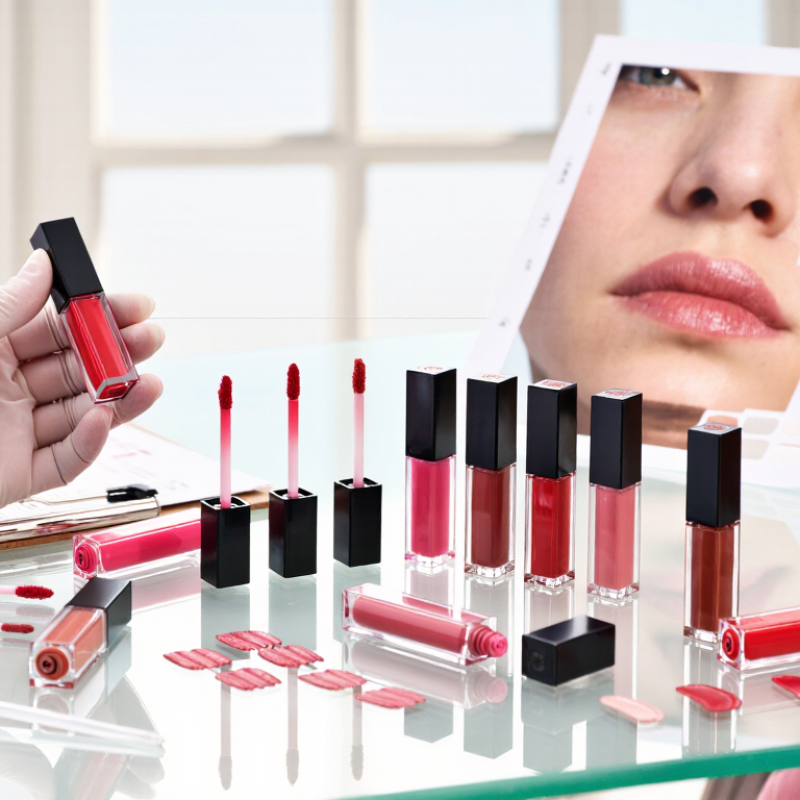
How to Choose Kissproof Lip Products for Global Buyers

Understanding Kissproof Lip Product Types and Claims

How to Choose Kissproof Lip Products for Global Buyers

Global buyers should separate kissproof product types before comparing claims. Liquid lipstick often dries into a flexible film, while lip stain deposits color on the lip surface. Transfer-resistant creams feel softer, but they may leave marks after oily meals. Peel-off tints form a temporary film and need careful removal. These products do not perform alike.

Read claims as testable promises, not attractive words. “Kissproof” should identify contact time, pressure, food exposure, and wear duration. “Transfer-resistant” is narrower and may allow slight color movement. “Long-lasting” needs evidence, including panel size, application amount, and retouching rules. Ask suppliers for ingredient lists, safety assessments, stability data, and market-specific label checks. Good documentation matters.

During buyer trials, I compare swatches on dry lips, then test water, oil, and tissue pressure. I record comfort, flaking, staining, and removal time. One result may look impressive but feel tight after four hours. That is not a failure, but it changes the target customer. I also question absolute claims. Real kissing, humidity, and uneven application are difficult to standardize. A cautious product brief is more reliable than a perfect-sounding promise.

How to Choose Kissproof Lip Products for Global Buyers

Typical claimed wear-time ranges vary by product type, formula, application, and eating or drinking conditions. Use these benchmarks to compare kissproof claims without relying on brand-specific data.

Buying guide: Liquid matte lip colors and lip stains generally offer the longest transfer-resistant wear. Transfer-resistant bullet lipsticks provide greater comfort but usually require more frequent reapplication. Buyers should verify whether claims such as “kissproof,” “transfer-resistant,” or “long-lasting” are supported by specific test conditions.

Comparing Formulas, Finishes, and Wear Performance

Choosing a kissproof lip product requires more than checking a “long-wear” claim. Formula structure matters. Liquid stains usually set quickly, while creamy formulas offer more comfort but may transfer. Waxes and film-forming agents can improve staying power. They may also create tightness on dry lips. Global buyers should review ingredient details and request samples before placing large orders. Climate changes performance. Heat can soften a bullet, while low humidity can make a matte layer crack.

Finish affects both appearance and customer expectations. Matte products suit formal, high-coverage looks, but they show flakes easily. Satin finishes reflect gentle light and feel less severe. Glossy formulas look fresh, yet they usually need more frequent application. Metallic particles can settle into lip lines. Not always attractive. A supplier’s shade card cannot replace real swatches under daylight and indoor lighting.

Wear testing should copy daily use. Apply one even layer, wait ten minutes, then test water, coffee, light meals, and a tissue press. Check fading around the inner lip. That detail is often missed. For international sales, test at different temperatures and after repeated opening. A product may survive a short wear test but fail after several hours. Packaging also matters; a loose cap can dry the formula during shipping. Claims should remain specific, measured, and honest. No formula performs perfectly for every lip type.

Checking Ingredients, Safety Standards, and Certifications

Global buyers choosing kissproof lip products should inspect formula details before trusting a strong wear claim. I start with the ingredient list. Check the batch details. Look for recognized INCI names, pigments, waxes, oils, film-formers, and preservatives. Pay attention to fragrance allergens and possible heavy metal contamination. Ask suppliers for a complete ingredient disclosure, allergen statement, certificate of analysis, safety data sheet, and stability results. Paperwork matters. However, documents may be outdated or incomplete, especially when product specifications change.

Safety requirements differ across markets, so buyers should match testing and labeling with the destination country. Confirm whether the manufacturer follows cosmetic GMP, such as ISO 22716, and check independent microbial, irritation, and contaminant testing. A certification logo alone proves very little. Verify the issuing organization, certificate number, factory address, scope, and expiry date. The product should also pass practical wear tests with meals, humidity, and repeated application. Wear performance does not replace safety assessment. I once treated a clean-looking certificate as complete evidence; that was too simplistic. A careful buyer should compare test dates, formula versions, and packaging details before approving a shipment. Small mismatches can reveal bigger quality-control problems. When evidence is unclear, pause the order and request clarification in writing.

Evaluating Shade Ranges for Diverse Global Markets

How to Choose Kissproof Lip Products for Global Buyers

Global buyers need more than a large color count. They need shades that work across different skin depths and undertones. A range can look impressive online, yet fail under daylight.

I recommend testing swatches on fair, medium, deep, olive, and neutral skin tones. Include both cool and warm undertones. Red, nude, berry, and brown shades can shift noticeably between them.

Lighting matters. A shade photographed beside a window may look different under indoor LEDs. Ask suppliers for unedited swatches, ingredient details, and transfer-resistance test conditions.

“Kissproof” should describe reduced transfer after proper drying, not an unrealistic promise. Check whether the formula stays comfortable after eating, speaking, and several hours of wear. It should not leave only a dry ring.

Consider regional buying habits without relying on stereotypes. Some customers prefer muted beige tones, while others want vivid reds or deep plums. Offer flexible shade families, not one universal nude.

A clear naming system also helps buyers compare colors across markets. I have seen shade charts create confusion when names sound similar but undertones differ. That needs correction.

Digital color matching remains imperfect, especially on low-quality screens. Collect return reasons and customer photos, with permission, then adjust future shade releases based on evidence. Small gaps may remain. Reliable evaluation accepts that reality.

Selecting Suppliers, Packaging, and Compliance Requirements

Choosing kissproof lip products for global markets starts with supplier verification. Request manufacturing licenses, quality certificates, ingredient specifications, and recent test reports. A reliable supplier should explain pigment sources, waxes, solvents, and preservative controls clearly. Ask for batch samples, not only polished sales samples. Test wear after meals, humidity, and several hours of speaking. Real use reveals more than a product sheet.

Packaging must protect both formula and information. Choose tubes that prevent leakage, drying, and cap loosening during air transport. Check compatibility between the formula and inner plastic or aluminum surfaces. Print shade names, net content, batch numbers, manufacturing dates, and usage directions. Labels may also require an ingredient list using recognized cosmetic naming rules. Small text can create large problems. Ask for artwork proofs and inspect every character before mass production. A bilingual label is not automatically acceptable everywhere.

Compliance depends on the destination, product classification, and marketing claims. Review local rules for restricted ingredients, colorants, allergens, product notification, responsible-party details, and safety assessments. Keep technical files, stability results, microbiological tests, and claim evidence organized. “Kissproof” should be supported by a defined test method, such as transfer checks on cups and fabric. Avoid absolute claims unless evidence is strong. Supplier audits help, but they are not perfect. I would also retain control samples from each batch, because a formula can drift even when paperwork looks complete.

How to Choose Kissproof Lip Products for Global Buyers - Selecting Suppliers, Packaging, and Compliance Requirements
Evaluation Area Buyer Requirement Practical Benchmark or Data Point Documents or Verification Method Common Risk Signal
Supplier Quality System Choose a manufacturer with documented cosmetic good manufacturing practices. Required
ISO 22716-based procedures are a strong baseline for cosmetic production controls.
Request the current quality manual, batch-record samples, sanitation procedures, training records, and the latest independent audit report. Quality claims are made without controlled records, traceability, or corrective-action documentation.
Formula Performance Confirm that the product delivers low-transfer color without excessive dryness or cracking. Recommended
Test after application, setting time, meals, drinking, rubbing, and removal.
Use a standardized wear protocol with defined application amount, drying time, food or liquid exposure, and rating scale. “Kissproof” is supported only by marketing images or an undefined internal test.
Transfer Resistance Measure visible color transfer to skin, fabric, glass, and paper. Recommended
Compare transfer before and after the stated setting time using the same pressure and contact duration.
Keep signed test sheets, photographs, reference samples, and the approved production standard. Results vary widely between shades or are reported without test conditions.
Wear and Stability Verify that texture, color, odor, and package compatibility remain acceptable during storage. Required
Use real-time and accelerated stability studies appropriate to the formula and packaging.
Review stability protocols, retained samples, accelerated-condition data, freeze-thaw observations, and compatibility results. Only a short shelf-life observation is provided, with no retained samples or packaging-compatibility data.
Microbiological Safety Ensure the finished product is suitable for its intended cosmetic use. Required
Testing should be risk-based and appropriate for a lip product, including preservative effectiveness where relevant.
Request finished-product microbiology reports, preservative challenge-test data when applicable, and batch-release criteria. Testing is performed only on the bulk formula and not on finished packaged units.
Ingredient Compliance Screen every ingredient against the destination market’s restricted, prohibited, color-additive, and allergen requirements. Required
Use the current legal requirements for each target country or region; rules are not globally identical.
Obtain the full INCI list, ingredient specifications, color-index references where applicable, safety data, and supplier declarations. The supplier provides only a trade name or incomplete ingredient information.
United States Compliance Prepare the product and facility information required under applicable U.S. cosmetics legislation. Required
MoCRA introduced requirements including facility registration, product listing, safety substantiation, and serious adverse-event reporting obligations.
Confirm the responsible party, product listing status, safety substantiation file, adverse-event procedure, and compliant labeling review. The supplier treats cosmetic compliance as equivalent to pre-market FDA approval.
European Union Compliance Meet the requirements of Regulation (EC) No 1223/2009 before placing the product on the EU market. Required
A responsible person, product information file, cosmetic product safety report, compliant labeling, and CPNP notification are generally required.
Review the CPSR, PIF index, responsible-person details, CPNP confirmation, GMP evidence, and artwork proof. The supplier offers an EU label without a safety assessment or product information file.
United Kingdom Compliance Handle Great Britain requirements separately from EU requirements where applicable. Required
Products placed on the Great Britain market generally require a UK responsible person and SCPN notification.
Check the UK responsible-person address, UK safety documentation, SCPN record, and destination-specific label artwork. EU documentation is assumed to cover Great Britain automatically.
Canada Compliance Review Canadian ingredient restrictions and notification obligations before import or sale. Required
Cosmetic ingredients should be checked against the current Canadian Cosmetic Ingredient Hotlist, and a Cosmetic Notification Form is generally required.
Verify the Canadian INCI declaration, product classification, importer information, and notification documentation. The product is classified only by its marketing claim, without checking Canadian requirements.
Gulf Region Planning Confirm the specific rules of the intended Gulf market instead of assuming one regional process covers every country. Recommended
Check applicable GCC cosmetic standards, local registration or import procedures, Arabic labeling, and importer obligations.
Obtain the destination importer’s regulatory checklist, bilingual artwork review, product documents, and any required conformity or registration records. One English-only label is used for every Gulf destination.
Primary Packaging Select packaging that protects the formula and withstands repeated opening, closing, and application. Recommended
Evaluate applicator wiper fit, leakage, cap torque, drop resistance, and formula-container compatibility.
Request packaging specifications, material declarations, compatibility testing, leak tests, and transport-test results. Packaging is approved by appearance only, without filled-product testing.
Packaging Materials Balance durability, appearance, recyclability, and destination-market packaging claims. Good Practice
Common options include PP, PET, glass, aluminum, and paperboard; actual recyclability depends on local systems and component design.
Request material composition, recycled-content evidence where claimed, component drawings, and disposal or recycling guidance. “Recyclable” or “eco-friendly” is stated without material details or substantiation.
Labeling and Claims Use accurate claims that are supported and permitted in each destination market. Required
Typical label elements include product identity, net contents, ingredient declaration, responsible-party information, batch code, and applicable warnings.
Complete a regulatory artwork review for each market and retain claim-substantiation documents for terms such as “long-wear” or “transfer-resistant.” Absolute claims such as “100% transfer-proof” are used without defined evidence.
Color Consistency Maintain shade accuracy across production batches and different packaging formats. Recommended
Approve a master standard and define acceptable visual or instrumental color tolerances.
Use approved drawdowns, retained shade standards, batch color records, and calibrated measurement equipment where applicable. Shade approval depends only on informal visual checks under changing lighting.
Order and Supply Capability Match minimum order quantities, lead times, and replenishment capacity to the launch plan. Recommended
Confirm separate MOQs for formula, shade, decoration, and packaging; include approval and testing time in the schedule.
Request a written quotation, production calendar, capacity statement, sample timetable, and change-control procedure. Low pricing is offered without a clear schedule, capacity plan, or raw-material reservation policy.
Batch Traceability Ensure every finished unit can be linked to raw materials, production records, and release testing. Required
Use a unique batch or lot code and retain representative samples according to the quality system.
Check mock batch records, coding format, raw-material lot links, release specifications, and recall procedures. Batch codes are missing, duplicated, or impossible to connect to production records.
Pre-Shipment Approval Release goods only after formula, shade, packaging, labeling, and documents meet the approved specification. Good Practice
Use a signed golden sample and a pre-shipment inspection checklist.
Compare production samples with the approved standard and review carton markings, quantities, batch codes, and certificates before shipment. Inspection focuses only on carton quantity and does not verify product performance or labeling.
Regulatory obligations vary by destination, product claims, formula, packaging, and distribution model. Confirm the final requirements with a qualified regulatory professional or the relevant authority before commercial launch.

FAQS

What types of kissproof lip products should global buyers compare?

Compare liquid lipstick, lip stain, transfer-resistant cream, and peel-off tint separately. They wear differently.

Does “kissproof” guarantee complete transfer-free wear?

No. Ask about contact time, pressure, food exposure, and wear duration. Real-world results can vary.

How does transfer-resistant cream differ from liquid lipstick?

Transfer-resistant cream feels softer but may leave marks after oily meals. Liquid lipstick usually forms a flexible film.

What testing should buyers perform before approval?

Test swatches on dry lips with water, oil, and tissue pressure. Record comfort, flaking, staining, and removal time.

Why should buyers question long-lasting claims?

Request panel size, application amount, wear duration, and retouching rules. Attractive wording is not evidence.

Which ingredient documents should suppliers provide?

Request a full ingredient list, allergen statement, certificate of analysis, safety data sheet, and stability results.

What formula details deserve close attention?

Review pigments, waxes, oils, film-formers, preservatives, fragrance allergens, and possible heavy metal contamination.

Does a certification logo prove product safety?

Not by itself. Verify the issuing organization, certificate number, factory address, scope, and expiry date.

How can buyers check whether documents remain reliable?

Compare test dates, formula versions, packaging details, and batch information. Documents may be outdated.

What should buyers do when evidence is unclear?

Pause the order and request written clarification. Small mismatches may reveal larger quality-control problems.

Conclusion

Choosing kissproof lip products for global buyers requires more than simply selecting a long-wearing formula. Buyers should first understand product types and claims, then compare formulas, finishes, comfort, transfer resistance, and wear performance under different conditions. Ingredients should be reviewed for quality, suitability, and transparent labeling, while safety documentation and relevant certifications help support responsible purchasing and market access. Shade selection is also essential, with a balanced range that accommodates different skin tones, cultural preferences, and regional demand.

Supplier evaluation should include manufacturing consistency, quality control, communication, minimum order quantities, and production capacity. Packaging must protect the product, present clear usage and ingredient information, and suit transportation and retail requirements. Buyers should also confirm that labeling, testing records, documentation, and packaging specifications meet the compliance expectations of each target market. By considering performance, safety, inclusivity, supplier reliability, and regulatory readiness together, businesses can select kissproof lip products that offer dependable value and broader international suitability.

Clara

Clara

Clara is a seasoned marketing professional with a strong understanding of product strategy, customer needs, and digital communication. As a key member of the company’s marketing team, she combines market insight with practical product knowledge to create clear, useful, and engaging content for a......