2025–2030 Global Skincare Procurement & Sourcing Macro Trends
The global contract manufacturing market for beauty and personal care is undergoing a structural paradigm shift. Brands no longer compete solely on marketing expenditure; today's competitive battleground is fought inside contract laboratory cleanrooms, driven by bio-tech active ingredients, supply chain transparency, and stringent regulatory alignment. As procurement directors and brand owners search for competitive advantage, understanding emerging global sourcing vectors is critical to maximizing ROI and minimizing time-to-market.
Key Procurement Shift: B2B buyers are migrating from single-ingredient novelty formulas toward synergistic, multi-active bio-compatible matrixes. Contract manufacturers must provide documented efficacy testing, microbial challenge stability, and seamless EU CPNP/US MoCRA regulatory passporting.
1. The Rise of Bio-Rejuvenative Actives: PDRN & Bio-Ferments
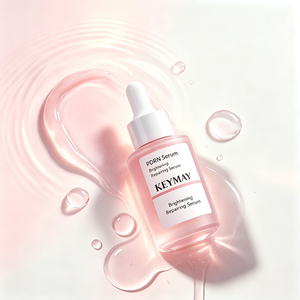
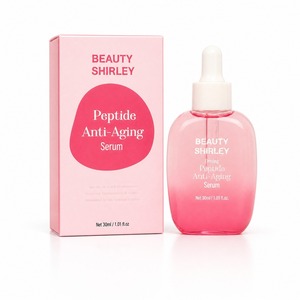
Polydeoxyribonucleotide (PDRN), originally developed in tissue engineering and regenerative medicine, has transitioned into premium anti-aging topical skincare. Procurement data indicates a 340% increase in search volume for PDRN face serums. Brands sourcing PDRN formulations require OEM partners capable of stabilizing low-molecular-weight DNA fragments inside lipid-nanocarrier vesicles to ensure transdermal delivery without degradation.
2. Skin Barrier Restoration & Neuro-Cosmetics
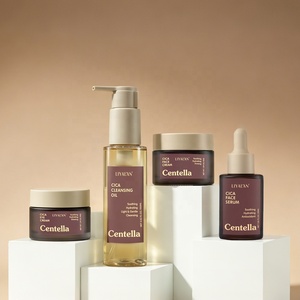
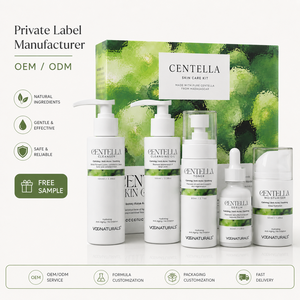
Over-exfoliation and exposure to urban particulate pollution have led to a global surge in sensitive skin conditions. Consequently, contract manufacturing orders for Centella Asiatica (CICA), Madecassoside, Multi-Ceramide complexes, and Niacinamide have surpassed traditional single-acid exfoliants. Modern OEM/ODM suppliers must formulate barrier-repair emulsions that mimic the skin’s natural stratum corneum lipid ratio (3:1:1 Ceramides, Cholesterol, Fatty Acids).
3. Clean Science & Tyrosinase Inhibition Synergies
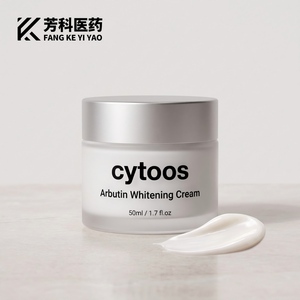
Hyperpigmentation treatment formulas have evolved beyond harsh hydroquinone alternatives. The current global benchmark leverages clean whitening agents such as Alpha-Arbutin combined with Stabilized Vitamin C (Ethyl Ascorbic Acid), Vitamin B5 (Panthenol), and Collagen-supporting Peptides. This multi-targeted inhibition approach targets melanin synthesis pathways while reinforcing dermal elasticity.